
Lacrosse Referee Penalty Flags and Game Timers
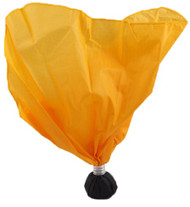
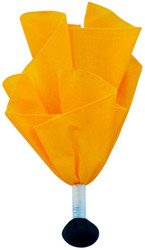
Stay ready for every whistle with lacrosse referee penalty flags built for officials who need a clean, accurate throw. This collection covers the flag styles used most often on the field, from lightweight center-weighted flags for short, controlled tosses to long toss ball-type flags designed to carry farther when the foul happens away from you.
Colors matter as much as construction. Gold and yellow flags are the most widely used option for lacrosse officials, while orange and black ball options are available for crews and associations that prefer a different look or need to stand out against a particular field surface. Check with your local officiating association before ordering if your group specifies a color.
A good penalty flag is weighted enough to throw accurately without being heavy in your pocket, and made from material that opens cleanly in the air so the call is visible to players, coaches, and your partners. Long toss models use a longer tail and a weighted ball for distance, while center-weighted flags are easier to control on shorter throws and sit more compactly during the game.
Timing tools are the other half of a lacrosse official's game-day kit. A dedicated referee timer or officials watch helps you track restart counts, shot clock intervals, and game time without taking your eyes off the field, which matters most in fast-paced situations where the count needs to be accurate and consistent.
Whether you are working youth, high school, or college assignments, carrying a spare flag and a reliable timer keeps you prepared when equipment gets lost, dropped, or damaged mid-game. Confirm the current flag and timing requirements for your level and association before the season starts, since rules and equipment expectations can change year to year.





Frequently Asked Questions
What flags do lacrosse referees use?
Lacrosse officials use weighted penalty flags, most commonly in gold or yellow. Options include center-weighted flags, which are easier to control on short throws, and long toss ball-type flags, which have a longer tail and weighted ball for greater throwing distance. Some associations specify a particular color, so check your local requirements before ordering.
What is a lacrosse penalty flag used for?
A penalty flag is thrown by an official to signal that a foul has occurred. In the men's game, play often continues after the flag is thrown until the scoring opportunity ends, at which point the penalty is administered. The flag marks the call visually for players, coaches, and the rest of the officiating crew.
What color penalty flag do lacrosse officials use?
Gold and yellow are the most common colors for lacrosse penalty flags. Orange and black ball styles are also available and are sometimes preferred for visibility against certain field surfaces or by particular officiating groups. Confirm with your association or assignor if a specific color is required for your assignments.
What is the difference between a long toss flag and a center-weighted flag?
A long toss flag has a longer tail with the weight positioned at one end, which helps it travel farther and land closer to the spot of the foul. A center-weighted flag places the weight in the middle of the cloth, making it more compact to carry and easier to control on shorter, more precise throws. Many officials carry both.
How do lacrosse officials keep time during a game?
Officials typically use a dedicated referee timer or officials watch to track counts and intervals during play, alongside the official game clock managed at the table. Dual-function timers let you run a countdown and a separate count at the same time, which is useful when a restart count and game time need to be tracked together.
Which lacrosse timer is best for youth games?
For youth assignments, a simple and durable timer with a clear display and an audible or vibrating alert is usually the most practical choice. Youth timing rules can differ from high school and college play, so confirm the current requirements for your league before selecting a timer with specific preset intervals.
What should I look for in a lacrosse timer for officiating?
Look for a timer that is easy to start and reset without looking down, has a display you can read in bright sun, and offers a secure belt clip or wrist strap so it stays in place while you move. Weather resistance and reliable battery life also matter for officials working full tournament days outdoors.
How many penalty flags should a lacrosse official carry?
Most officials carry at least two flags so a spare is available if one is thrown out of reach, dropped, or damaged during play. Carrying a backup also helps when working consecutive games with limited time between assignments.
How do I care for a lacrosse penalty flag?
Let flags dry completely before storing them, and avoid leaving a damp flag balled up in a gear bag where the material can hold odor and wear faster. Check the ball and stitching regularly for damage, and replace a flag once the weight is loose or the cloth no longer opens cleanly in the air.