
Umpire Leg Guards
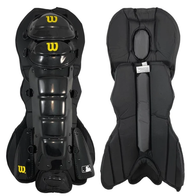
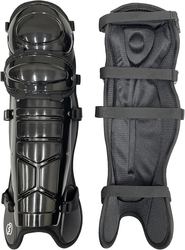
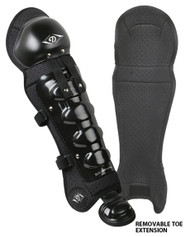
Stay protected behind the plate with umpire leg guards designed for baseball and softball officials. These protective gear options are built to handle the demands of fast-paced games, giving reliable coverage for the shin, knee, and umpire thigh protection where it matters most.
The best umpire leg guards balance protection and mobility. A good pair should absorb impact from foul balls and missed pitches while still allowing natural movement when squatting, standing, and shifting behind the plate. Weight also plays an important role—lighter guards are often preferred for long tournament days, while more reinforced models offer added durability for higher-level play.
When selecting umpire leg guards, consider your level of play, how many games you typically work in a day, and the type of field conditions you face. Proper fit is essential; guards that are too loose may shift during movement, while overly tight gear can restrict comfort and performance.
Officials working both baseball and softball games benefit from leg guards that stay secure throughout the game without constant adjustment. Adjustable straps and ergonomic designs help maintain stability during repeated movements.
Choosing the right protection helps reduce the risk of injury and improves confidence behind the plate. Whether you are working local league games or competitive tournaments, dependable leg guards ensure you stay focused on calling the game, not adjusting your gear.




Frequently Asked Questions
How to pick the right shin guard?
Choose shin guards based on your height, preferred coverage, comfort, and level of play. The right pair should protect your shins and knees without restricting movement. Check the sizing guide, test how they feel when crouching, and make sure the straps keep the guards securely in place.
What is the difference between umpire leg guards and shin guards?
Umpire leg guards are designed specifically for officials working behind the plate and typically provide broader coverage for the shin, knee, and lower leg. Standard shin guards may be made for players and can differ in shape, coverage, padding, and flexibility based on their intended position.
Which umpire leg guards offer the most protection?
Umpire leg guards with extended coverage, reinforced padding, and protection around the shin, knee, and upper leg generally offer the highest level of protection. The best option should also fit securely, remain in place during movement, and provide enough flexibility for crouching and working comfortably behind the plate.
How should umpire leg guards fit?
Umpire leg guards should fit snugly without feeling too tight or limiting movement. They should cover the shin and knee properly and stay in position when you squat, stand, walk, or shift. Adjustable straps can help create a secure fit while reducing the need for constant readjustment.
Are longer umpire leg guards better?
Longer umpire leg guards can provide additional coverage for taller officials or those who prefer more protection around the lower and upper leg. However, longer is not always better. Choose a length that fits your height, stays secure during movement, and allows comfortable crouching behind the plate.
Can I wear umpire leg guards for softball?
Yes, umpire leg guards can be used for both baseball and softball games. The right choice depends on the level of play and the amount of protection you need. Select guards that provide secure coverage, comfortable movement, and reliable protection throughout multiple innings or tournament games.
Are softball shin guards for pitchers the same as umpire leg guards?
No. Softball shin guards for pitchers are primarily designed to protect players from line drives and batted balls while pitching. Umpire leg guards are made for the movements and impact risks officials face behind the plate, with coverage suited for crouching and repeated movement.
How do I know if my leg guards are too small?
Your leg guards may be too small if they leave important areas of the shin or knee exposed, shift frequently, or feel uncomfortable when crouching. Properly sized guards should provide consistent coverage without pinching, restricting movement, or requiring repeated adjustment throughout the game.
How do I care for umpire leg guards?
After each game, wipe dirt and moisture from your leg guards and allow them to air dry completely. Avoid storing damp equipment in a closed bag for long periods. Regularly check straps, padding, and fasteners for wear to help keep your protective gear ready for use.